
Complete Cost Breakdown: Building a Turnkey Food Production Line in 2025
Table of Contents
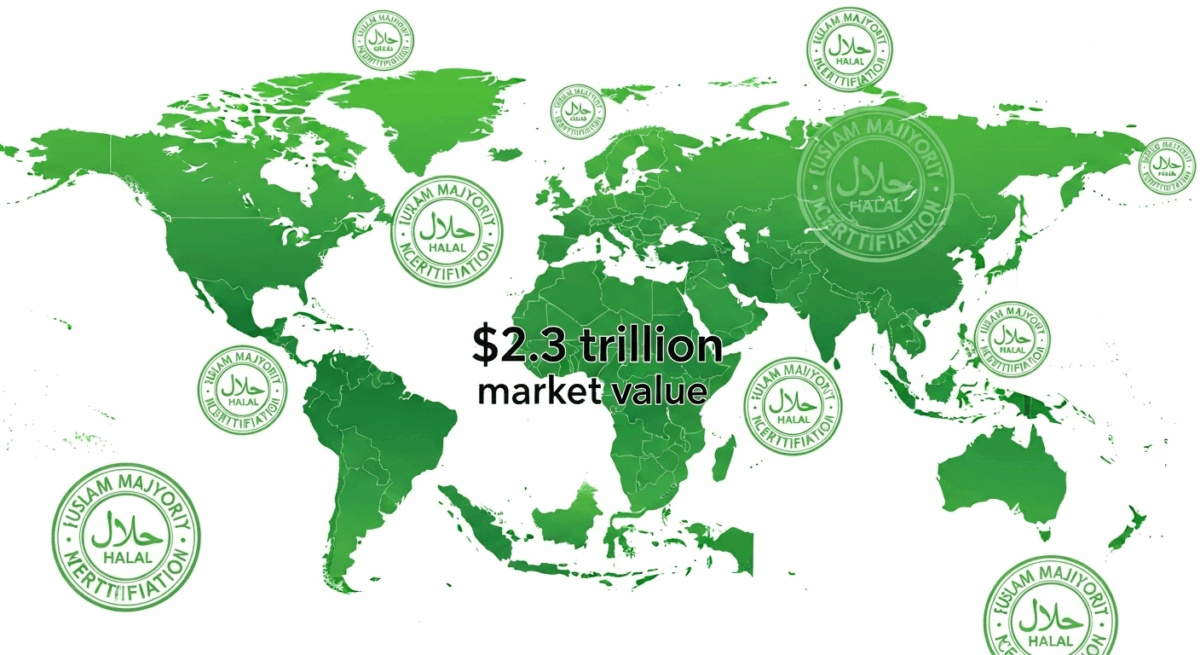
Setting up halal food production certification for your manufacturing facility is no longer optional if you’re targeting Muslim-majority markets. With over 1.8 billion Muslim consumers worldwide representing a $2.3 trillion halal food market, obtaining halal food production certification has become essential for food manufacturers looking to expand into the Middle East, Southeast Asia, and Africa. This comprehensive guide walks you through every requirement, from equipment specifications to documentation, ensuring your production line meets international halal standards.
What is Halal Food Production Certification?
Halal food production certification verifies that your entire manufacturing process complies with Islamic dietary laws (Shariah). Unlike simple halal ingredient certification, halal food production certification covers your complete production line, including equipment materials, cleaning procedures, storage systems, and operational protocols.
The certification ensures:
- All equipment and utensils are made from halal-compliant materials
- No cross-contamination with haram (forbidden) products
- Proper slaughter methods for meat products
- Compliant storage and transportation systems
- Trained staff following halal protocols
Key Certification Bodies:
- JAKIM (Malaysia) – Most recognized globally
- UAE.S (United Arab Emirates)
- MUI (Indonesia)
- GIMDES (Turkey)
- HFA (Halal Food Authority – UK/Europe)
- IFANCA (Islamic Food and Nutrition Council of America)
Why Your Production Line Needs Halal Certification
Market Access Requirements
Most Muslim-majority countries require halal food production certification for imported food products. Without it, your products cannot enter markets like:
- Saudi Arabia (mandatory for all food imports)
- UAE (required for meat, poultry, dairy)
- Malaysia (strict enforcement with JAKIM approval)
- Indonesia (world’s largest Muslim population)
- Turkey (growing enforcement)
- Gulf Cooperation Council (GCC) countries
Business Benefits
Beyond regulatory compliance, halal food production certification offers:
- Market expansion: Access to $2.3 trillion halal market
- Premium positioning: 20-30% higher selling prices in halal markets
- Consumer trust: Recognized seal builds brand credibility
- Competitive advantage: Only 15% of global manufacturers are certified
- Quality assurance: Halal standards enforce strict hygiene protocols
Halal Equipment Requirements for Production Lines
Material Specifications
Your production line equipment must use halal-compliant materials:
Acceptable Materials:
- Stainless steel (304 or 316 grade)
- Food-grade plastics (polyethylene, polypropylene)
- Glass and ceramic surfaces
- Natural rubber (from halal-certified sources)
Prohibited Materials:
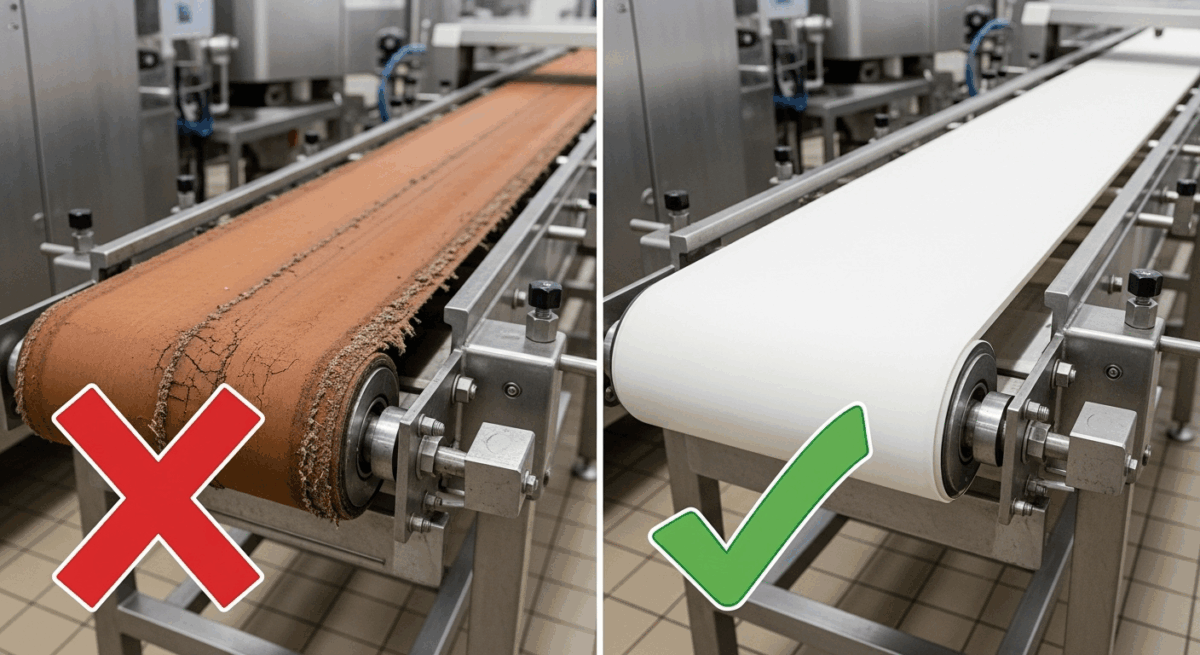
- Pig skin leather (conveyor belts, gaskets)
- Animal-derived gelatin coatings
- Alcohol-based lubricants
- Non-halal animal fats in machinery
Dedicated vs. Shared Production Lines
Option 1: Dedicated Halal Line
- Exclusive use for halal products only
- Easier certification process
- Lower cross-contamination risk
- Higher initial investment
Option 2: Shared Line with Segregation
- Can process halal and non-halal separately
- Requires strict cleaning protocols between runs
- More complex documentation
- Cost-effective for smaller operations
Equipment Components Checklist
✓ Conveyor systems with halal-compliant belts ✓ Stainless steel processing tanks ✓ Halal-certified cleaning agents ✓ Separate utensils and tools ✓ Dedicated cold storage units ✓ Proper drainage systems ✓ Color-coded equipment for segregation ✓ Halal-compliant packaging materials
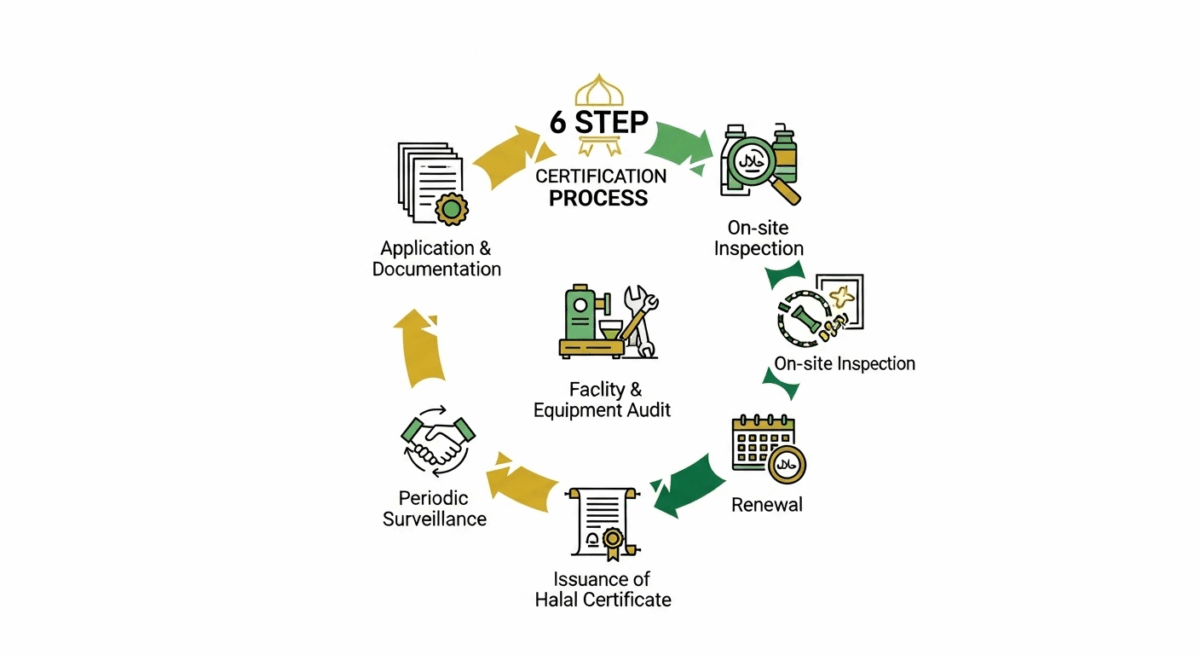
Step-by-Step Halal Certification Process
Phase 1: Pre-Assessment (2-4 weeks)
Actions Required:
- Choose certification body based on target markets
- Review current production line against halal standards
- Identify gaps in equipment, materials, and procedures
- Calculate certification costs and timeline
- Assign internal halal compliance officer
Documentation Needed:
- Company registration documents
- Factory layout plans
- Equipment specifications and materials list
- Current ingredient suppliers list
- Employee training records
Phase 2: Application Submission (1-2 weeks)
Submit to Certification Body:
- Completed application form
- Halal policy statement
- Production process flowcharts
- HACCP documentation
- Supplier halal certificates
- Application fee payment
Typical Application Fees:
- JAKIM (Malaysia): $3,000-$8,000
- UAE.S: $2,500-$6,000
- MUI (Indonesia): $1,500-$5,000
- GIMDES (Turkey): $2,000-$5,500
Phase 3: Facility Inspection (1 day)
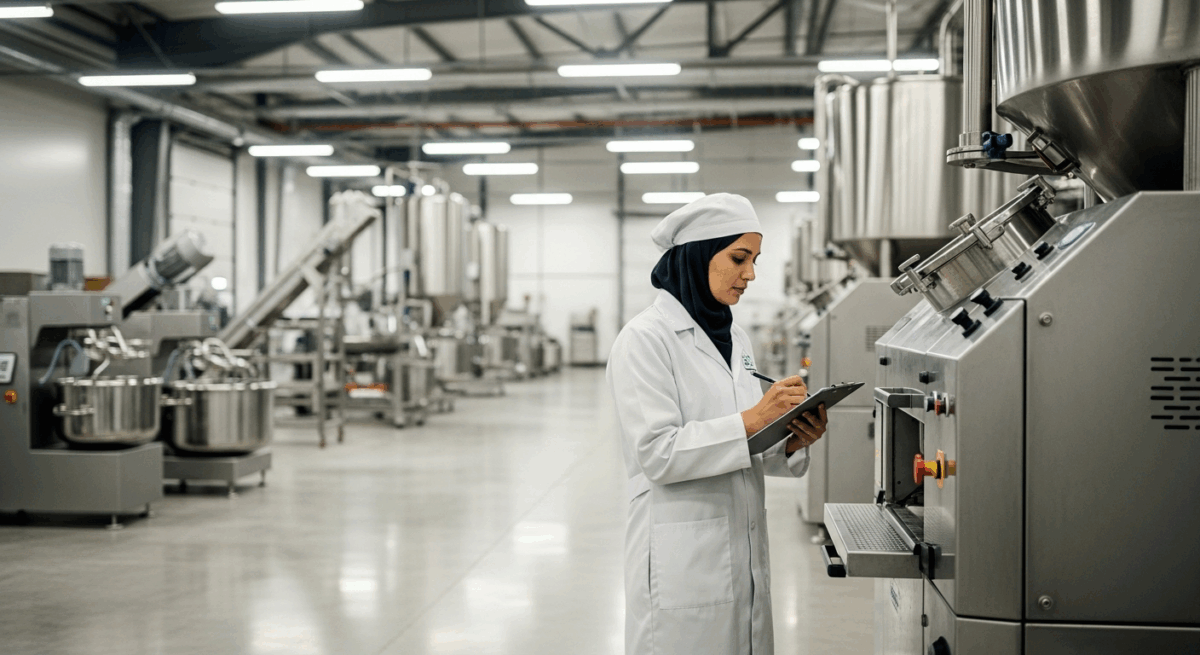
What Inspectors Check:
- Physical separation of halal/non-halal areas
- Equipment materials and condition
- Storage facilities and labeling
- Cleaning and sanitization procedures
- Staff knowledge of halal requirements
- Waste disposal systems
- Water supply quality
- Pest control measures
Common Inspection Failures:
- Shared equipment without proper cleaning protocols
- Non-compliant conveyor belt materials
- Inadequate staff training
- Poor documentation systems
- Cross-contamination risks in storage
Phase 4: Corrective Actions (2-8 weeks)
If inspection reveals non-compliance:
- Receive detailed non-conformity report
- Develop corrective action plan
- Implement equipment or process changes
- Document all improvements
- Request re-inspection
Common Corrections Needed:
- Replace pig leather conveyor belts with polyurethane
- Install physical barriers between production areas
- Upgrade to stainless steel equipment
- Implement dedicated cleaning protocols
- Establish halal ingredient verification system
Phase 5: Certification Issuance (2-4 weeks)
Upon approval:
- Receive halal certificate (valid 1-2 years)
- Get halal logo usage rights
- Obtain product-specific halal stamps
- Register in certification body’s database
- Display certificate at facility
Phase 6: Ongoing Compliance
Annual Requirements:
- Unannounced surveillance audits (1-2 per year)
- Updated supplier halal certificates
- Staff retraining documentation
- Internal audit reports
- Renewal application before expiration
Country-Specific Halal Requirements
Saudi Arabia (SFDA Requirements)
Mandatory for: All meat, poultry, prepared foods Accepted Certifications: GCC-approved bodies, JAKIM Special Requirements:
- Arabic labeling mandatory
- Shelf life verification
- Radiation treatment disclosure
- GMO ingredient declaration
Processing Time: 3-4 months Validity: 2 years
United Arab Emirates (UAE.S)
Mandatory for: Meat, poultry, seafood, dairy Local Requirements:
- UAE.S direct certification preferred
- Emirates Authority for Standardization compliance
- Emiratization (local staff employment) encouraged
Processing Time: 2-3 months Validity: 1 year
Malaysia (JAKIM)
Gold Standard: Most recognized globally Strict Requirements:
- Muslim-owned business preferred (not mandatory)
- Minimum 2 Muslim staff required
- Comprehensive halal management system
- Annual audits mandatory
Processing Time: 4-6 months Validity: 2 years Recognition: Accepted in 50+ countries
Indonesia (MUI)
Mandatory since 2024: All food products Requirements:
- Halal Product Assurance System (SJPH)
- Registered with BPJPH (Indonesian authority)
- Local representative required for foreign companies
Processing Time: 3-5 months Validity: 4 years
Turkey (GIMDES)
Growing Enforcement: Especially for exports Requirements:
- Turkish food safety compliance
- Ministry of Agriculture approval
- Local laboratory testing
Processing Time: 2-3 months Validity: 1 year
Halal Production Line Setup Costs
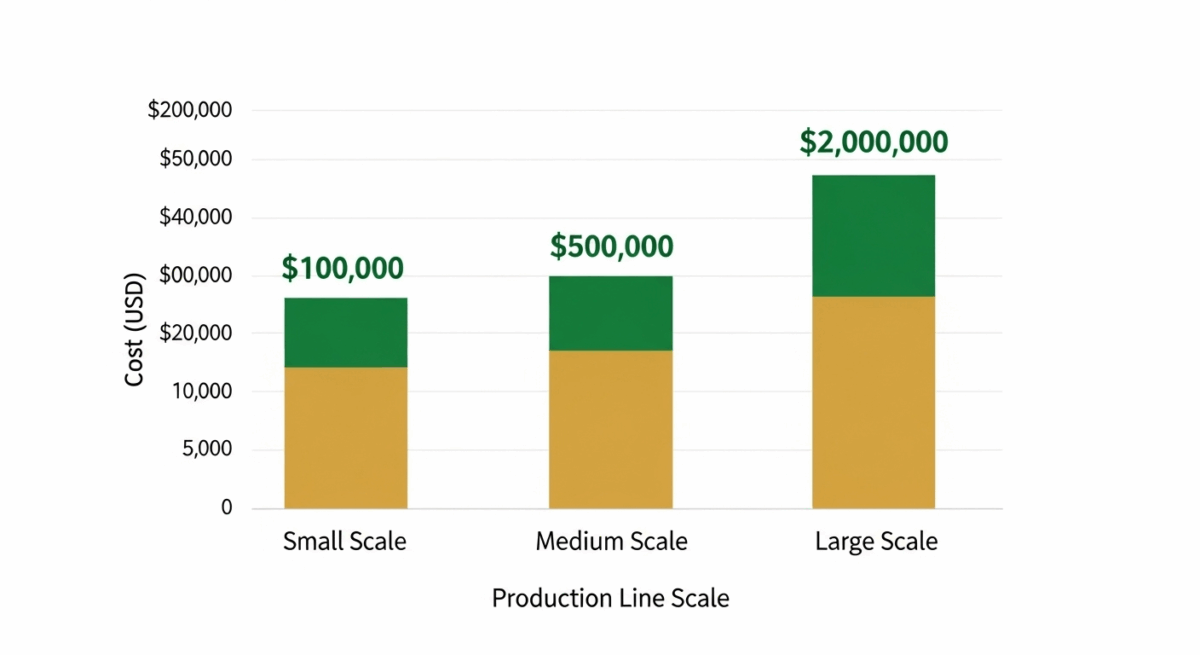
Initial Investment Breakdown
Small-Scale Operation (500 kg/hour):
- Equipment modifications: $15,000-$35,000
- New halal-compliant machinery: $50,000-$120,000
- Certification fees: $3,000-$8,000
- Staff training: $2,000-$5,000
- Documentation system: $1,500-$3,000 Total: $71,500-$171,000
Medium-Scale Operation (2,000 kg/hour):
- Equipment modifications: $40,000-$80,000
- New halal-compliant machinery: $150,000-$350,000
- Certification fees: $5,000-$12,000
- Staff training: $5,000-$10,000
- Documentation system: $3,000-$8,000 Total: $203,000-$460,000
Large-Scale Operation (5,000+ kg/hour):
- Equipment modifications: $100,000-$200,000
- New halal-compliant machinery: $400,000-$1,200,000
- Certification fees: $8,000-$20,000
- Staff training: $10,000-$25,000
- Documentation system: $8,000-$15,000 Total: $526,000-$1,460,000
Annual Maintenance Costs
- Certification renewal: $2,000-$8,000
- Audit fees: $1,500-$5,000
- Staff retraining: $1,000-$3,000
- Halal-certified cleaning supplies: $3,000-$12,000
- Documentation updates: $500-$2,000 Annual Total: $8,000-$30,000
ROI Timeline
Break-even typically within: 12-24 months Factors affecting ROI:
- Target market size
- Product premium pricing (20-30% higher)
- Export volume increase
- Reduced market entry barriers
Common Halal Certification Mistakes to Avoid
1. Choosing Wrong Certification Body
Mistake: Getting certified by body not recognized in target market Solution: Research which certifications your target countries accept before applying
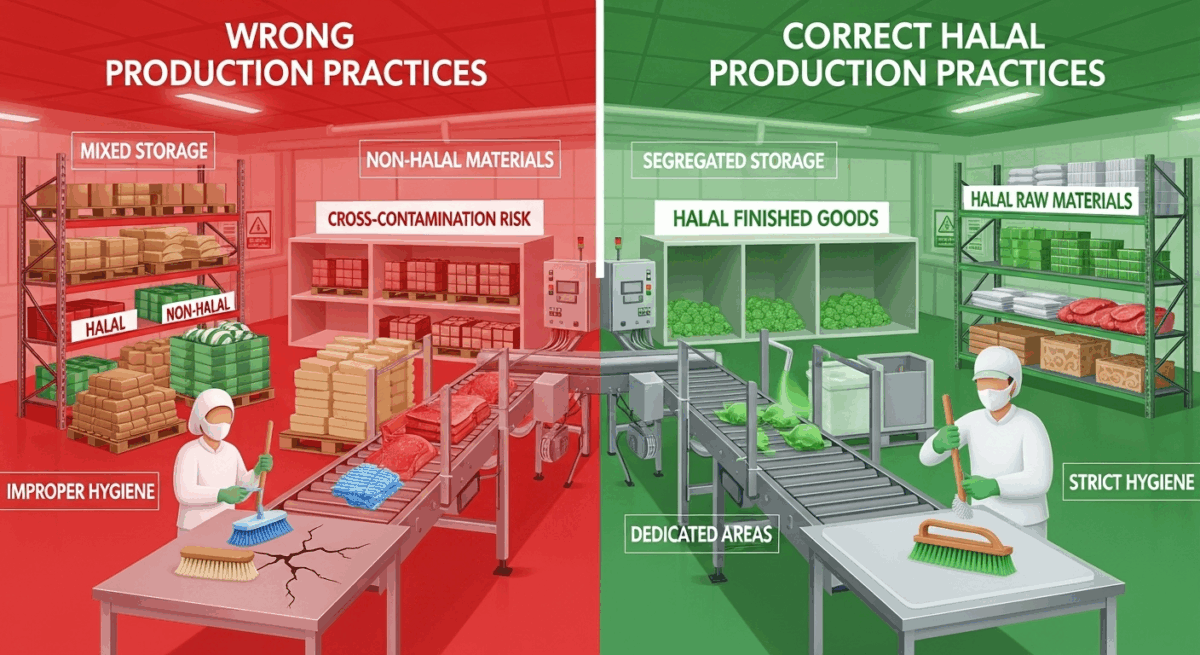
2. Insufficient Equipment Segregation
Mistake: Assuming basic cleaning between halal/non-halal runs is enough Solution: Install physical barriers, color-coded tools, dedicated storage
3. Non-Compliant Conveyor Belts
Mistake: Using leather or animal-derived conveyor components Solution: Replace with polyurethane (PU) or stainless steel mesh belts
4. Poor Documentation Systems
Mistake: Handwritten logs, missing supplier certificates Solution: Implement digital halal traceability system from day one
5. Inadequate Staff Training
Mistake: Only training management, ignoring floor workers Solution: Comprehensive training for all staff touching product or equipment
6. Ignoring Lubricants and Cleaning Agents
Mistake: Using alcohol-based or pork-derived industrial products Solution: Source halal-certified industrial chemicals and lubricants
7. Mixing Halal and Non-Halal Storage
Mistake: Storing halal ingredients near non-halal items Solution: Dedicated warehouses or clearly marked separate zones
8. Underestimating Timeline
Mistake: Expecting certification in 4-6 weeks Solution: Allow 3-6 months for full process including corrections
Maintaining Halal Compliance Long-Term
Daily Operations Checklist
Morning Pre-Production: □ Verify equipment cleaning from previous day □ Check segregation barriers are in place □ Confirm staff wearing proper halal-designated uniforms □ Review production schedule for halal items only
During Production: □ Monitor no cross-contamination from adjacent lines □ Ensure only halal-certified ingredients used □ Verify all utensils are halal-designated □ Document any deviations immediately
End of Day: □ Complete cleaning with halal-certified agents □ Store equipment in designated halal area □ Update production logs □ Secure halal storage areas
Monthly Audits
- Internal halal compliance inspection
- Supplier certificate verification
- Staff knowledge assessment
- Documentation review
- Equipment condition check
Annual Preparation
- Pre-audit self-assessment 60 days before renewal
- Update all supplier halal certificates
- Refresh staff training
- Review and update halal policy
- Prepare corrective action from previous audit
How Uyarlı Synergy Helps with Halal Certification
As a specialized provider of halal food production certification-ready equipment, we ensure your production line meets international halal standards from day one.
Our Halal-Compliant Solutions
Turnkey Halal Production Lines:
- 100% stainless steel construction
- Polyurethane (PU) conveyor belts
- Halal-certified component suppliers
- Built-in segregation design
- Documentation systems included
Equipment Modifications:
- Convert existing lines to halal compliance
- Replace non-compliant components
- Install segregation systems
- Upgrade to halal-approved materials
Certification Support:
- Pre-assessment of current equipment
- Gap analysis and recommendations
- Connection with certification bodies
- Documentation preparation assistance
- Staff training coordination
Our Track Record
- 15+ halal-certified production lines delivered
- Partnerships across Middle East and Southeast Asia
- 100% first-time certification success rate
- Ongoing compliance support included
Case Study: Successful Halal Certification
Client: Poultry processing plant in UAE Challenge: Existing line used non-compliant conveyor materials Timeline: 4 months from assessment to certification
Our Solution:
- Replaced all leather conveyor belts with PU belts
- Installed stainless steel segregation barriers
- Upgraded to halal-certified cleaning system
- Implemented digital documentation platform
- Trained 25 staff members on halal protocols
Results:
- JAKIM certification achieved on first audit
- 40% increase in export volume within 6 months
- 25% premium pricing in halal markets
- $450,000 additional annual revenue
- ROI achieved in 14 months
Frequently Asked Questions
Q: How long does halal food production certification take? A: Typically 3-6 months from application to certificate issuance, depending on certification body and complexity of your operation.
Q: Can non-Muslim owned companies get halal certified? A: Yes. While some certification bodies prefer Muslim ownership, it’s not mandatory for most. You must have Muslim staff supervising halal production.
Q: Is halal certification expensive? A: Initial investment ranges from $70,000-$1.5 million depending on scale. ROI typically achieved within 12-24 months through market access and premium pricing.
Q: Can I use the same equipment for halal and non-halal? A: Yes, but you need strict cleaning protocols, clear segregation procedures, and comprehensive documentation. Dedicated lines are easier to certify.
Q: Which halal certification is most recognized globally? A: JAKIM (Malaysia) is the gold standard, recognized in 50+ countries. However, check specific requirements of your target markets.
Q: Do I need separate facilities for halal production? A: Not necessarily. You can operate halal and non-halal in the same facility with proper segregation, scheduling, and cleaning protocols.
Q: What happens if I fail the inspection? A: You receive a non-conformity report, make required corrections, and request re-inspection. Most facilities pass on second attempt.
Q: How often are audits conducted? A: Expect 1-2 unannounced surveillance audits per year after initial certification, plus renewal audits every 1-2 years.
Next Steps: Get Your Production Line Halal-Certified
Ready to access the $2.3 trillion halal food market? Obtaining halal food production certification is your gateway to the Middle East, Southeast Asia, and Africa markets.
Start Your Halal Certification Journey:
- Free Consultation: Contact our halal compliance specialists
- Equipment Assessment: We evaluate your current production line
- Gap Analysis: Receive detailed report on required modifications
- Custom Quote: Get pricing for halal-compliant equipment solutions
- Implementation: We handle equipment supply, installation, and certification support
Contact Uyarlı Synergy today for a free halal production line assessment.